
Small Group Adventure Holidays That Actually Work
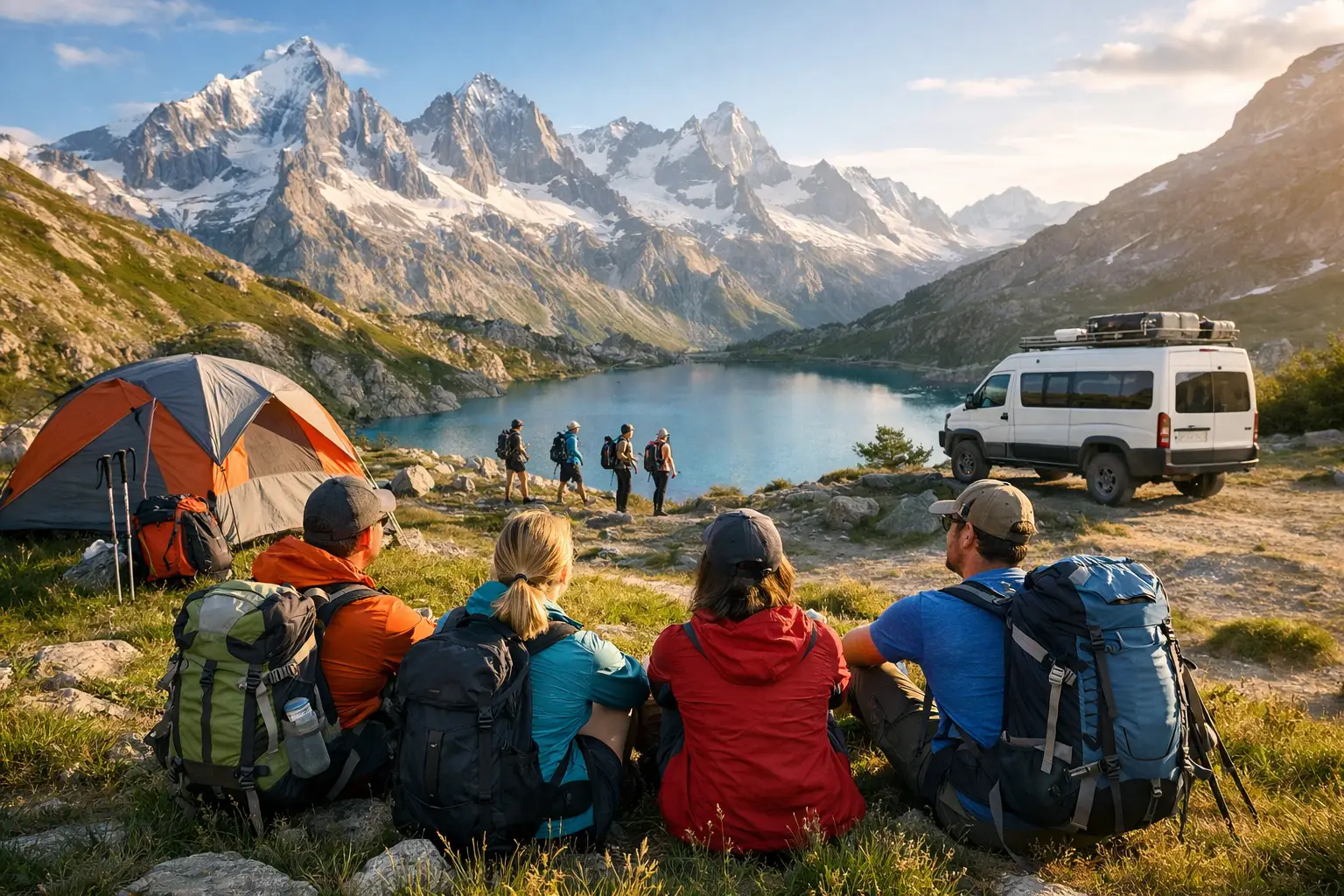
A group trek is only relaxing when somebody has already worked out who meets where, how the bags move, and what happens when a delayed flight cuts into the first day. The best small group adventure holidays turn that uncertainty into a clear plan: a manageable number of travellers, a defined route, booked essentials and enough freedom to enjoy the place rather than coordinate it.
For independent travellers, the appeal is straightforward. You get the access, local knowledge and shared cost of a guided trip without being absorbed into a coach party. But “small group” is not a guarantee of a good fit. Group size, activity level, transfer times and room arrangements matter more than the label.
What small group adventure holidays should include
A credible itinerary states the maximum group size, not just that it is “intimate”. For walking, cycling and multi-activity trips, 8 to 16 travellers is usually the workable range. It is small enough for a guide to manage different paces and restaurant tables, but large enough to keep the departure viable and the atmosphere sociable. Groups of six or fewer can feel more tailored, although they often cost more per person.
Check the trip notes for four practical details before paying a deposit:
- Daily effort: Look for distance, elevation gain and moving time, not vague labels such as “moderate”. A 12km coastal walk and a 12km Alpine climb are not comparable days.
- Luggage handling: Confirm whether a vehicle transfers your main bag or whether you carry everything. This changes both your packing list and the type of accommodation you can use.
- Start and finish points: A trip beginning at Innsbruck Hauptbahnhof is far easier to join by rail than one starting at a remote valley hotel with one daily bus.
- Single-room rules: Many small-group departures charge a supplement or pair solo travellers. Ask whether a twin share is guaranteed before you commit.
The strongest operators also make the non-active hours clear. You need to know whether dinner is included, where you sleep after the activity, and whether there is time to explore independently. A packed schedule works for a three-night escape. On a seven-night route, it can become tiring.
Choose the trip style before the destination
Start with the type of holiday you can realistically take, then match it to a route. This prevents the common mistake of booking a headline destination with awkward arrival logistics.
A long weekend: one base, maximum activity
For two to four nights, choose a single-base trip. It removes hotel changes and protects your time if flights run late. Madeira works well when the group is based around Funchal, with airport access via Cristiano Ronaldo Madeira Airport and drives out to levada walks, Pico do Arieiro or the north coast.
The trade-off is time in a minibus on island roads. Check whether the itinerary starts with a walk on day one. If it does, arrive the night before rather than relying on a same-day flight connection.
Booking point: secure the arrival-night hotel first, ideally near the trip meeting point or a direct airport transfer route. It is the simplest way to avoid missing the group briefing.
A point-to-point route: the journey is part of the holiday
For five to eight nights, choose a route with logical stages and bag transfers. The Dolomites are a strong example: a walking itinerary can link Cortina d’Ampezzo, the Val Badia and Alta Pusteria, while regional buses connect gateways such as Bolzano/Bozen railway station and Cortina bus station.
This format gives you changing landscapes and a genuine sense of progress. It also requires tighter booking. Mountain accommodation has limited rooms, and private transfers can be the first part of the itinerary to sell out. If the tour does not include the first or last transfer, book it alongside your flights, not a week before departure.
A city-and-outdoors break: easier for mixed groups
A combined urban and active itinerary suits friends with different confidence levels. Consider Ljubljana and Lake Bohinj: fly into Ljubljana Jože Pučnik Airport, spend the first night near the compact city centre, then continue to Bohinj for hiking, paddling or cycling. The city provides a reliable arrival buffer, while the lake area delivers the active days.
This is often the best option when one person wants full days outside and another wants cafés, museums or an easier morning. The key question is whether activities are optional or whether everyone follows the same daily programme.
The booking order that avoids expensive gaps
Small groups make some bookings easier, but they also create hard deadlines. A departure may be confirmed only once enough places are sold, while the rooms and transport around it can become scarce much earlier. Treat the holiday as a connected chain.
First, confirm the departure. Check the minimum and maximum group size, deposit conditions and the latest status shown by the provider. If a departure is not yet guaranteed, choose refundable or flexible accommodation for any extra nights where possible.
Next, book the arrival and departure transport. Aim to land or arrive by rail with a realistic margin before the meeting time. For routes ending in a different town, do not assume you can return to the airport easily. In Switzerland, for example, a route finishing in Zermatt may need a rail connection via Visp before reaching Geneva Airport. Check live rail times when you book, especially on Sundays and public holidays.
Then, add the nights the itinerary does not cover. These are usually the first night, final night or a stopover near an airport. Prioritise location over hotel extras. A room five minutes from Milan Malpensa Terminal 1 can be more valuable than a lower nightly rate that requires a late-night taxi from central Milan.
Finally, reserve limited-capacity extras. This can include a summit lift, e-bike hire, ferry crossing or museum entry on your free day. Do not overbook every hour. Leave space for weather changes, a slower group pace and the practical reality of finding lunch.
At Make Me A Booking, this is the useful sequence: Search | Compare | Book | Go. Build the transport and accommodation around the confirmed adventure departure, rather than trying to patch the group trip into a fixed set of non-refundable flights.
Budget properly: the advertised price is only the middle
A small-group adventure holiday can represent good value, particularly when guiding, route planning, luggage transfers and difficult local transport are included. Yet the headline price rarely covers the entire door-to-door cost.
Build a simple total before comparing trips: departure price, flights or rail, arrival-night stay, airport transfers, meals not included, local taxes, equipment hire, tips where customary and travel insurance. Add a contingency for a weather-related taxi, a missed connection or a change in plans.
For a budget-led choice, look for trips using guesthouses, shared transfers and included packed lunches. For a boutique option, pay for central or trailhead-adjacent hotels, smaller departures and private room certainty. For a higher-end trip, the value should be visible in tangible elements such as a specialist guide, premium luggage transfers, upgraded stays or hard-to-arrange access – not simply a more polished description.
Be cautious with itineraries that appear cheap because they exclude several essential transfers. A low base price can disappear once four travellers need a private vehicle from an airport or station.
Match the group to your pace, not your postcode
The most successful group holidays are not always made up of people the same age or from the same country. They are made up of travellers with compatible expectations. Read the activity grading, then judge yourself against your recent routine. If you have not walked consecutive hill days recently, choose a route with shorter stages or a rest-day option.
Ask the operator how the guide handles split paces. On a cycling holiday, there may be a support vehicle and a designated regroup point. On a narrow mountain trail, there may be no practical way to separate safely. This is not a minor detail: it determines whether a faster traveller feels held back or a newer walker feels pressured.
Also check the social structure. Some departures are designed for solo travellers, while others attract couples and established friendship groups. Neither is better. If you are booking alone, choose a trip with shared welcome drinks, communal dinners or activities on the first evening, rather than one where everybody disperses after the briefing.
Pack for the plan you booked
Do not pack as if every adventure holiday is an expedition. Read the kit list, then test the essentials before leaving home. Walking boots need to be worn in; a new hydration pack needs adjusting; a waterproof jacket should actually fit over your mid-layer.
Carry medicines, a spare base layer, charging cable, passport and one change of clothes in your daypack if your main bag is transferred separately. For flight arrivals, this protects the first 24 hours if luggage is delayed. It also means you can step off the transfer ready for the introductory walk rather than searching for replacement gear.
A good small-group trip should leave you with memorable terrain, capable guides and a route that feels effortless because the decisions were made early. Pick the pace you can enjoy, book the connection points while availability is still open, and let the group handle the parts of travel that are better shared.