
Best Small Group Adventure Holidays for Solo Travellers
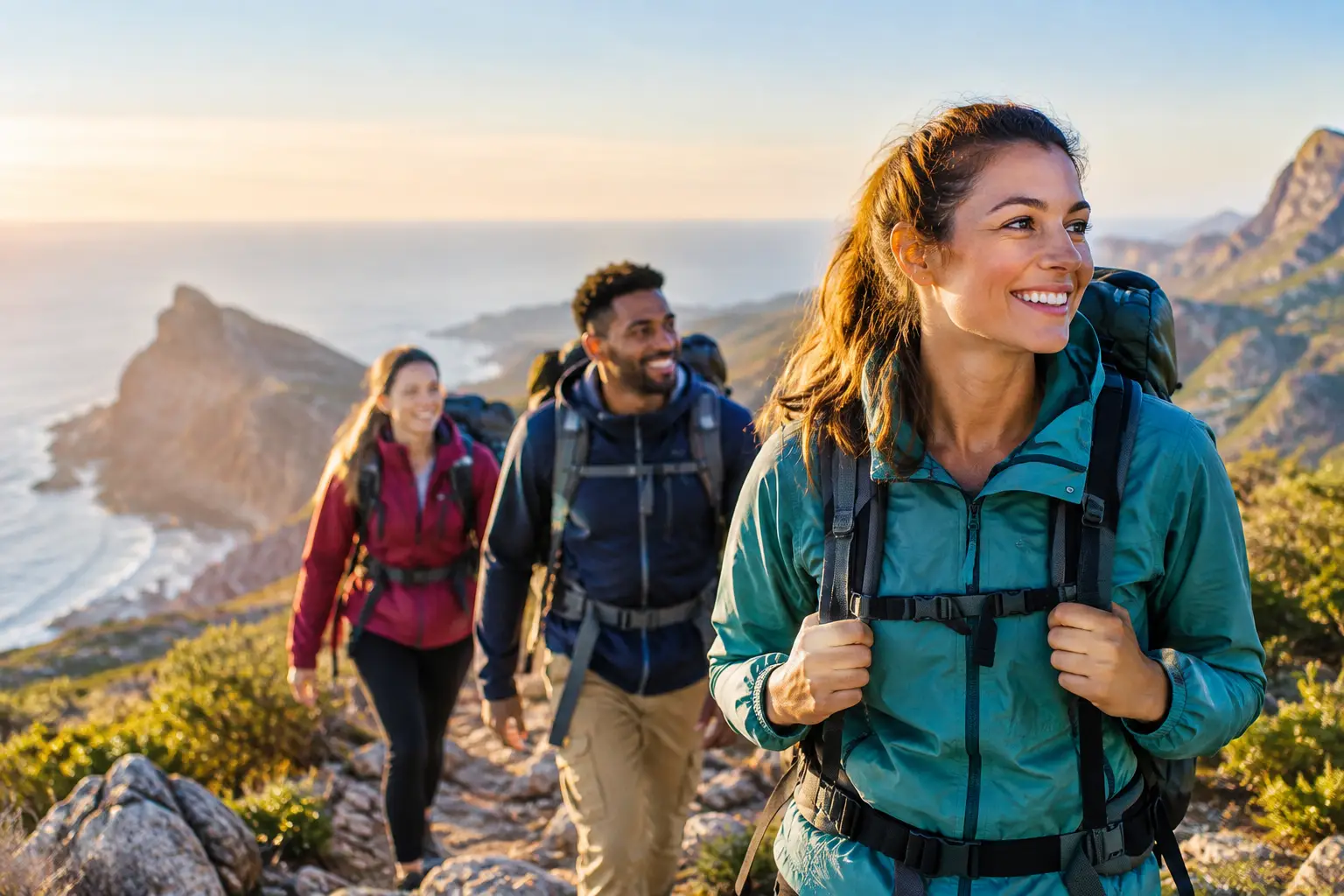
A good solo adventure holiday gives you the freedom of travelling independently without making every decision alone. You arrive with your own suitcase and spending money, but have a route, a local guide and a small group to share the practical bits with. That is why the best small group adventure holidays for solo travellers are usually active, structured and sociable without being overly rigid.
For most UK travellers, the right choice comes down to three things: how active you genuinely want to be, how much moving around you are comfortable with, and whether you want the group to be central to the trip or simply a reassuring backdrop. Here is how to narrow it down before you book.
[mab_organised_tours]
What makes a small-group holiday work for solo travellers?
A small group is not just a larger coach tour with fewer seats. It should make the logistics easier while leaving room for individual time. You may share airport transfers, guided walks and some meals, then have a free afternoon in Funchal, Marrakech or Dubrovnik to explore at your own pace.
Look for an itinerary that clearly states the expected group size, accommodation arrangement, activity level and what is included. “Small group” can mean anything from eight people to around 16, depending on the operator and destination. A group of 10 to 14 is often a comfortable middle ground: enough people for varied conversation, but small enough to move quickly and get to know one another.
The strongest trips also avoid making solo travellers pay a substantial single supplement by default. Some offer a room-share option, while others provide sole occupancy for an extra cost. Neither is automatically better. Sharing can reduce the price and make the first evening less awkward; your own room is usually worth considering on demanding walking, cycling or multi-stop itineraries where sleep matters.
The best small group adventure holidays for solo travellers
Rather than one universal winner, think of these as the strongest formats for different kinds of traveller. Each combines straightforward flight access from the UK with an itinerary that has a clear purpose beyond simply staying in one resort.
Walking in Madeira for scenery with a sensible pace
Madeira suits solo travellers who want proper outdoor time without needing technical mountain skills. Small-group walking holidays commonly use Funchal as a base, or combine it with stays nearer the north coast or mountains. The island’s levada paths, old irrigation channels with walking routes beside them, make it possible to cover varied terrain with a guide who understands local conditions.
Choose this type of trip if you enjoy being active during the day but would rather return to a comfortable hotel and a choice of restaurants in the evening. Funchal is particularly practical for first-time solo travellers because it has a compact centre, regular local transport and plenty of places to eat independently.
Check the grading carefully. A walk described as moderate may still involve narrow paths, steep sections, steps and changeable weather. Ask about daily ascent, walking hours and whether transfers are included from Funchal or Madeira Airport.
Morocco for culture, food and a more involved itinerary
A small-group journey through Morocco can work exceptionally well when you would rather not negotiate every onward journey, guide or desert camp alone. Many itineraries begin in Marrakech, then travel across the High Atlas towards Ait Benhaddou, Ouarzazate, the Dades Valley and the Sahara-edge settlements around Merzouga.
This is a strong choice if you like days that feel distinct from one another: medina walks, cooking sessions, kasbah visits, mountain scenery and desert landscapes. It also removes the pressure of arranging long-distance transport in a country where routes and timings may be less intuitive than in southern Europe.
The trade-off is pace. Covering Marrakech and the desert in a short holiday means long driving days, and the journey is part of the experience. If you dislike frequent hotel changes, choose a Marrakech-based trip with day excursions instead, or allow more nights for a route that reaches the Sahara.
Coastal activity in the Algarve for an easier first group trip
The Algarve is a sensible first small-group adventure holiday for someone who wants activity but not a major culture or climate adjustment. Faro Airport gives easy access to the region, while bases such as Lagos, Tavira and Albufeira offer very different evenings after a day outdoors.
Lagos is generally the better fit for sea kayaking, coastal walking and a livelier social scene. Tavira is quieter and better suited to cycling, birdwatching or gentler exploration around the Ria Formosa. A well-designed group itinerary can combine guided activity with free time, so you are not tied to the same people from breakfast until bedtime.
For a warmer-weather break, confirm the seasonal conditions rather than relying on a destination label. Sea activities, walking comfort and crowd levels vary considerably between spring, peak summer and autumn.
Cycling in Majorca for sociable days on the move
Majorca is well set up for organised cycling, particularly around Alcúdia and Port de Pollença in the north, where quieter roads and access to the Tramuntana foothills appeal to riders. A group tour can be ideal if you want route planning, luggage handling and mechanical support without joining a competitive cycling camp.
Be realistic about your level. Some holidays marketed as leisure cycling include sustained hills or longer distances, while performance-focused departures may assume road-bike experience and a confident pace. Look for average daily mileage, elevation and whether an e-bike is accepted or available.
Cycling groups often become social quickly because there is a shared rhythm to the day. However, you do not need to be the fastest rider to enjoy one. The key is choosing an operator that regroups regularly and has clear support arrangements.
Sailing in the Greek islands for built-in company
A cabin-based sailing holiday around islands such as Corfu, Lefkada or the Cyclades offers a different kind of small-group adventure. The itinerary may include swimming stops, short hikes, harbour towns and shared meals, with the skipper taking responsibility for navigation and safety.
It is particularly good for solo travellers who want company from the moment they arrive, as everyone shares the same boat and daily plan. It is less suitable if you value privacy, are prone to motion sickness or would find shared bathrooms and close quarters tiring. Ask about cabin configuration, the likely mix of passengers, food arrangements and any extra local charges before deciding.
How to compare trips before committing
Do not choose on destination photos alone. Two trips in the same country can feel completely different once you look at the detail. Compare what happens between arrival and departure: the number of hotel changes, unstructured free time, included meals, transport method and physical demands.
It is also worth checking the departure style. Some trips attract a broad mix of couples, friends and solos; others are explicitly designed for people travelling alone. A general small-group departure can still be an excellent fit, but a solo-focused trip may make room-sharing and first-night introductions easier.
Before booking, ask these practical questions:
- Is the advertised activity grade based on distance, terrain, heat or technical skill?
- Will I have a room to myself, a matched room-share, or a supplement to pay?
- Which airport should I fly into, and is the arrival transfer timed around specific flights?
- How much spending money is likely to be needed for meals, optional activities and local transport?
- Is there time to explore independently, or is every day fully guided?
These answers matter more than whether the hotel has the most attractive pool. They tell you whether the holiday will feel energising or exhausting.
Plan the journey around the group, not just the flight
For a UK departure, avoid booking the tightest possible connection to a group meeting point. If your trip starts in Marrakech, Funchal or Faro, consider arriving the day before when the first activity is early or when the operator’s transfer window is narrow. One extra night can remove the stress of a delayed flight and give you time to settle in.
Travel insurance should match the activities on the itinerary. Standard cover may not include every form of cycling, hiking at altitude, sailing or organised excursion, so read the policy wording rather than assuming the trip booking provides full protection.
Trav’s practical tip: once you have shortlisted two or three itineraries, compare the whole journey – flights, airport-to-hotel arrangements, baggage allowance and room choice – rather than the headline holiday price alone. That is usually where the more useful decision appears.
The right group holiday should leave you with enough structure to travel confidently and enough freedom for the trip to still feel like your own. Choose the pace you can enjoy, not the one that sounds most impressive, and the people you meet become an added benefit rather than the reason you took the holiday.