
How Much Does a Barcelona Holiday Cost? Budget Guide
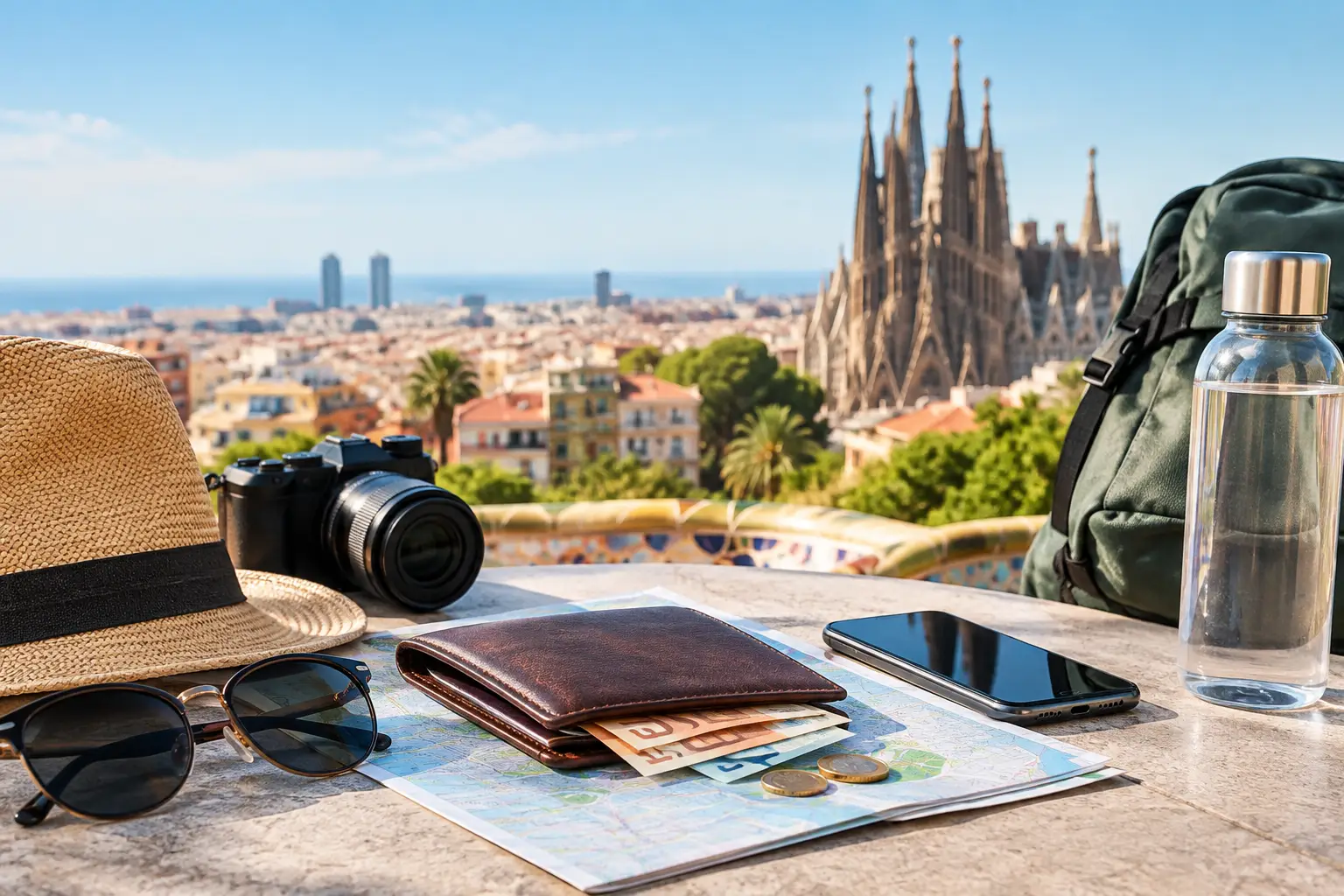
How much does a Barcelona holiday cost? This complete budget guide puts a realistic figure on a city break before you start comparing flights and hotels. For most UK travellers, a three-night Barcelona break costs roughly £450 to £900 per person when sharing a mid-range hotel room, including flights, food, local transport and a few paid sights. Travel in school holidays, stay around Passeig de Gràcia or Barceloneta, or choose a higher-end hotel and the total can rise quickly.
The big variable is accommodation. Barcelona is a year-round city with limited central hotel stock, so the difference between a January weekend and a June or October weekend can be substantial. A clear budget also helps you decide whether paying more for a central base is worthwhile, or whether staying near a Metro line gives you better value.
Barcelona holiday costs at a glance
For planning purposes, these are sensible per-person budgets for a three-night trip from the UK, based on two adults sharing a room. They are working estimates rather than live quotes, and exclude shopping and major nightlife.
- Value-conscious trip: £350 to £550 per person. Expect lower-cost flights, hand luggage only, a simple hotel or flat-style stay outside the most central streets, casual meals and mostly free sightseeing.
- Comfortable city break: £550 to £900 per person. This usually allows for a well-located three or four-star hotel, checked luggage if needed, a mixture of tapas bars and restaurants, airport transport and two or three ticketed attractions.
- Premium trip: £1,000-plus per person. This suits travellers choosing boutique or upscale hotels in Eixample, El Born or near the beach, dining out most evenings, taking taxis and booking several experiences.
For a week, do not simply double the three-night figure. Flights stay broadly the same, but accommodation, meals and activities continue to add up. A couple should usually allow more breathing room in the budget for a seven-night stay, particularly if they plan day trips to Montserrat, Sitges or Girona.
Flights from the UK: allow for the extras
Barcelona-El Prat Airport is the main airport for the city and is well served from London, Manchester, Birmingham, Bristol, Edinburgh and other UK airports. Low headline fares are common outside peak periods, but the final price depends on your departure airport, flight times, baggage and seat selection.
A sensible return-flight allowance is around £80 to £200 per person for much of the year. Peak school holiday dates, bank holiday weekends and late bookings can push this higher. Flights can be cheaper in January, February and parts of November, although major events and football fixtures can affect selected dates.
When comparing, look at the full fare rather than the first number you see. A cheap fare with a cabin bag upgrade, airport parking and inconvenient arrival times may not be better value than a slightly dearer direct flight. If you are travelling as a couple for a short break, sharing one checked case can also keep costs under control.
Accommodation: the part of the budget that matters most
Hotel prices are usually the largest Barcelona expense after flights. For a decent double room, plan on approximately £110 to £220 per night in quieter periods, rising beyond that on busy dates. Prices vary sharply by neighbourhood, hotel standard and how far ahead you book.
Where you stay changes what you spend
Eixample is a practical choice for many first-time visitors. It has broad streets, strong Metro connections and easy access to Gaudí sights such as Casa Batlló, Casa Milà and Sagrada Família. It is often better value than the Gothic Quarter while still feeling central.
The Gothic Quarter and El Born put you close to Las Ramblas, Barcelona Cathedral, the Picasso Museum area and many bars and restaurants. You may pay more for the location, and rooms can be smaller or noisier in older buildings.
Barceloneta works well if being near the beach matters as much as sightseeing. It can command a premium in warmer months, and it is not the most convenient base for every attraction.
Poblenou, Sants and Gràcia can offer more space or lower nightly rates, depending on dates. They make most sense when your hotel is within an easy walk of a Metro station. Saving £30 a night is helpful, but less so if you spend extra time and money crossing the city every day.
Remember to factor in the local tourist tax charged by accommodation providers. Rates and rules can change, so check the current amount at the point of booking rather than treating it as a fixed cost.
Food and drink: Barcelona can suit different budgets
Barcelona can be relatively manageable for food if you mix neighbourhood cafés, markets and informal restaurants with one or two planned meals. A coffee and pastry, a sandwich-style lunch and a casual dinner will cost far less than eating every meal in the busiest tourist streets.
As a practical daily guide, allow £25 to £40 per person if you are keeping spending controlled, or £50 to £80 for more restaurant meals, drinks and a relaxed approach to ordering. Dining near La Rambla and the beach can be convenient, but it is worth checking menus and cover charges before sitting down. A few streets away from the main visitor routes can make a meaningful difference.
If tapas is part of your plan, remember that small plates are designed for sharing and the bill builds with each round. Set a rough evening allowance before you go, especially if you are travelling with children or want wine with dinner.
Getting around and airport transfer costs
You do not need a hire car for a Barcelona city break. Parking is expensive, central streets can be awkward to navigate, and the Metro, buses and walking cover the main visitor areas well. Put the car budget towards a better hotel location or experiences instead.
From Barcelona-El Prat, you can usually choose between public transport, an airport shuttle bus, train services from the relevant terminal or a taxi. Public transport is the lower-cost option and is workable if you have light luggage and your hotel is near a station. A taxi is often the easier choice for families, late arrivals, or a hotel in the narrow lanes of the Gothic Quarter or El Born.
Allow a modest amount for public transport over a long weekend, or more if you prefer taxis after dinner. Check current ticket types and airport transfer fares shortly before travelling, as local transport prices and arrangements can change.
Sightseeing: decide what is worth paying for
Barcelona has plenty to see for free: the waterfront, Parc de la Ciutadella, the exterior of Sagrada Família, the streets of Gràcia and viewpoints around Montjuïc all reward unplanned time. But the city’s signature attractions can take a significant share of the budget.
For a typical first visit, it is reasonable to set aside £50 to £100 per person for advance-booked entries. That might cover a combination of Sagrada Família, Park Güell and one additional Gaudí house or museum. The exact mix depends on your interests and current admission prices.
Book timed tickets for major sights once your flights and hotel are settled. This is not about artificial urgency – popular slots do sell out on busy dates, and choosing times early makes it easier to organise the rest of the day. If football is a priority, check the current status, schedule and visitor arrangements for FC Barcelona before building your plan around it.
How to keep a Barcelona break within budget
The most effective savings are usually made before departure. Travel on less popular days where possible, compare the total flight cost with baggage included, and choose a hotel based on transport connections rather than postcode alone. A Sunday-to-Wednesday stay can sometimes price differently from a classic Friday-to-Monday weekend.
Once you are there, make one or two paid attractions the centrepiece rather than trying to buy entry everywhere. Walk between nearby sights – for example, around Eixample or from El Born to the Gothic Quarter – and use the Metro for longer journeys. This keeps the city break enjoyable without turning every decision into a calculation.
Trav’s planning tip: start with your dates and a total per-person ceiling, then split it between flights, accommodation, daily spending and booked experiences. Search, compare and decide on the hotel first, because it is the Barcelona cost most likely to reshape the rest of your trip. A well-located base and a realistic sightseeing allowance will usually give you a better holiday than chasing the lowest possible headline price.