
Guided Tours for Solo Travellers That Work
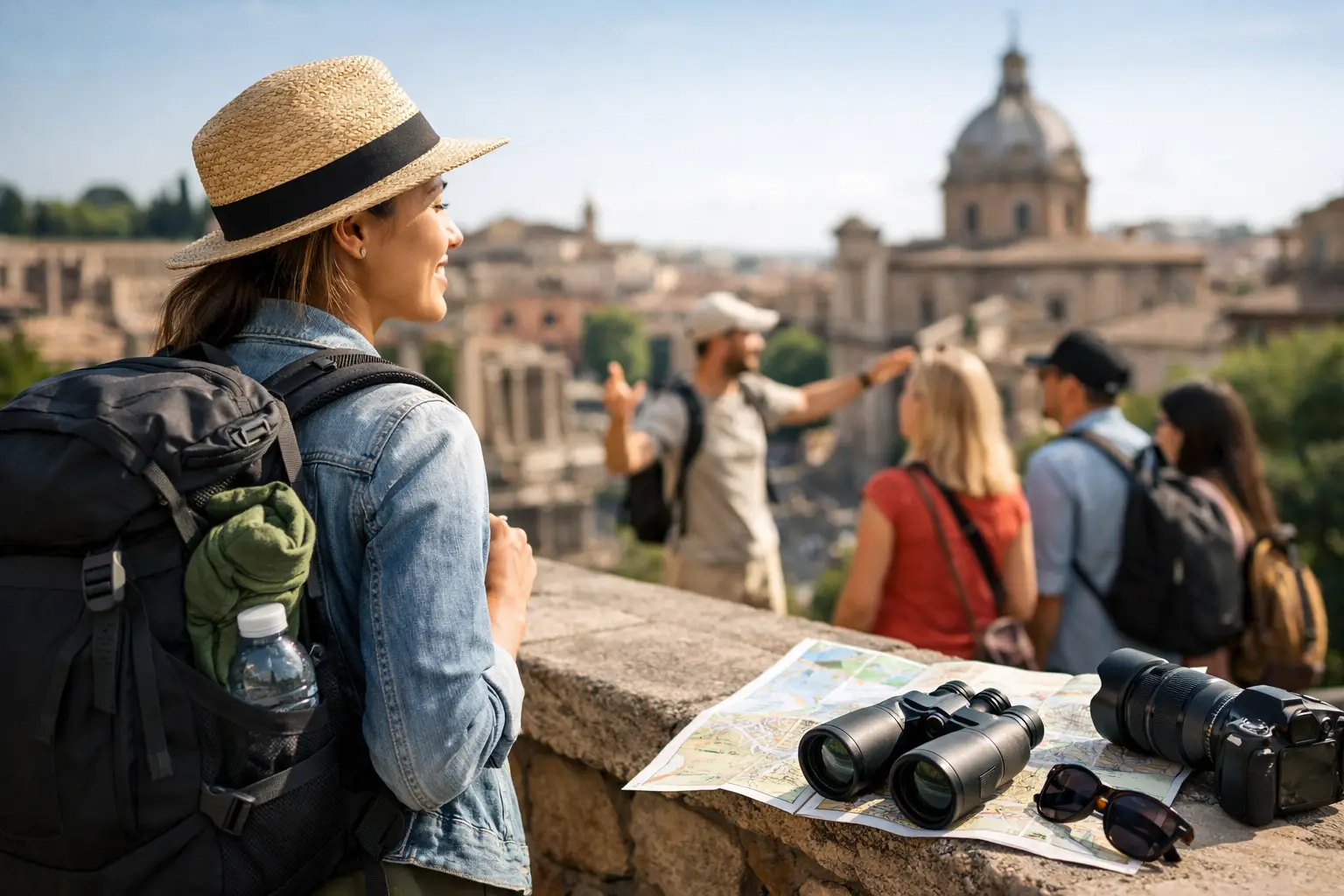
Arriving in an unfamiliar city with a full day to fill is easy. Working out which ticket covers the right transport zone, whether the meeting point is actually outside the station, and how to avoid spending the day alone in a queue is harder. Guided tours for solo travellers solve that practical problem: one confirmed meeting point, a defined route, local context and, often, people to share the experience with.
The right tour does not replace independent travel. It gives your trip structure where it matters most. Book a guided walk on your first morning, for example, and you will understand the city layout before choosing museums, restaurants and neighbourhoods for the rest of the break. For a multi-stop journey, a day trip can also remove the friction of hiring a car, changing trains or navigating a language barrier.
Why guided tours work when you are travelling alone
A good tour buys back time. The guide has already planned the walking route, knows which entrance is used for timed admission and can explain what you are looking at without a dozen browser searches. That matters on a two-night city break, when a wrong turn or a sold-out attraction can consume a large part of the day.
There is a social upside, but it should not be oversold. Group tours create easy conversation because everyone is sharing the same route. They are useful if you want company at lunch or someone to compare dinner plans with afterwards. They are not a guarantee of instant friendships, particularly on a large coach departure where people arrive in couples or family groups.
For many independent travellers, the bigger benefit is confidence. A vetted guide, a visible group and a fixed start point can make an evening food tour or a first visit to a new city feel more straightforward. You stay in control of your accommodation, transport and free time while outsourcing the part of the day that has the most moving pieces.
Choose a solo tour by the itinerary, not the label
“Solo-friendly” is useful marketing, but it is not enough to make a tour right for you. Check the route, group size and end point before you book. A six-hour itinerary that finishes across the city from your hotel may be excellent value, but less useful before an early train or flight.
Small-group walking tours
These are the strongest choice for a first day in a city. They usually cover a compact district and give you landmarks to orient yourself around. In Rome, a route that begins near Colosseo Metro Station and ends around Piazza Navona helps you connect the ancient centre with the historic core. In Paris, a Left Bank walk beginning by Saint-Michel Notre-Dame station makes it easy to continue towards the Latin Quarter or return on RER B.
Look for a maximum group size rather than vague promises of an intimate experience. Smaller groups make questions easier and reduce the stop-start effect at crossings, security checks and narrow streets. The trade-off is price: specialist small groups generally cost more than a broad introductory walk.
Food and evening tours
Food tours are particularly effective for solo travellers because the shared activity removes pressure to make conversation. They also help you order with confidence later in the trip. A good listing should state how many tastings are included, whether drinks are extra, the distance walked and how dietary requirements are handled.
Choose the meeting point with care. In Barcelona, an evening tour around El Born may finish within walking distance of Jaume I on Metro Line 4. In Lisbon, routes through Alfama can involve steep cobbles and finish away from a direct metro connection. Check the return journey to your hotel before committing, especially if you are staying beyond the central districts.
Day trips beyond the city
A guided day trip is often the most efficient answer when the destination needs several transport connections. Think of Sintra from Lisbon, the Cotswolds from London, or Versailles from central Paris. You avoid joining the wrong queue, missing a limited onward bus or arriving after timed entry slots have gone.
Read the itinerary for actual free time. Some tours advertise a destination but allocate most of the day to collection points, coach travel and photo stops. If you want to visit a specific palace, gallery or vineyard, confirm whether admission is included, reserved or left for you to arrange. “Free time” can be a benefit if you want flexibility, but it can also mean you are responsible for the busiest part of the day.
Multi-day small-group journeys
For a regional rail route or a road-trip-style itinerary, multi-day group travel can be a smart compromise between an escorted holiday and travelling entirely alone. These trips work best when you want access to rural areas, mountain routes or smaller towns where public transport is limited.
The key question is rooming. Some operators charge a single supplement, pair solo guests with another traveller, or offer a limited number of dedicated single rooms. Do not assume a “solo traveller departure” means a room to yourself. Confirm the accommodation category, luggage policy and exact overnight towns before paying a deposit.
The booking checks that prevent expensive mistakes
A tour confirmation is only useful if it fits the rest of your itinerary. Before booking, complete these checks in order.
- Pin the meeting point. “Central station” can mean a main hall, a side entrance or a square across the road. Put the exact location into your map app and calculate the route from your hotel. For London departures, distinguish between King’s Cross, St Pancras International and the coach station at Victoria. They are not interchangeable.
- Match the tour to your arrival day. Do not book a non-refundable morning departure immediately after a late flight, long-haul journey or cross-border rail connection. Airport delays, baggage queues and a missed transfer create avoidable stress. Your first full day is usually safer.
- Check what is included. Admission, tastings, local transport, headphones and hotel collection can change the real cost substantially. Compare like for like. A cheaper tour that excludes attraction entry may not be the better deal when timed tickets are scarce.
- Read the cancellation terms and latest guest reviews. Focus on comments about group size, pace, guide clarity and whether the itinerary matched the listing. Recent reviews reveal issues such as changed meeting points or a route that no longer includes a stated stop.
- Plan the finish. Save the final location, the nearest station and a backup route to your accommodation. This is essential for night tours, rural day trips and activities ending outside the centre.
Booking checkpoint: secure tours with limited group sizes, included attraction entry or peak-weekend departures before you commit to flexible restaurant plans. These are usually the first elements of a short break to sell out.
Build a trip around one anchor experience
The most efficient approach is to use one guided activity as an anchor, then book your stay around its geography. If your tour starts near Amsterdam Centraal, staying in the Canal Ring, Jordaan or near Nieuwmarkt reduces the chance of a rushed morning. If a day trip leaves from Gare du Nord, choose accommodation with a direct Metro or RER connection rather than relying on a taxi through peak traffic.
For a budget-conscious break, a standard group walk plus self-guided museums and public transport often delivers the best value. For a couple of free evenings and limited planning time, a premium small-group food or architecture tour may justify the higher rate because it combines dinner, orientation and local expertise. For a complex regional route, prioritise a tour with transport and entry already arranged.
Avoid filling every day with guided activity. Two structured experiences across a long weekend is often enough: one introductory tour and one specialist or out-of-town trip. Leave the remaining time open for the neighbourhoods, cafés and sights you discovered along the way.
When a guided tour is not the best answer
Guided travel has limits. If you are interested in one museum collection, want to photograph slowly, or prefer long lunches without a timetable, a group itinerary can feel restrictive. Self-guided audio tours and timed attraction tickets may give you better value.
Likewise, a coach tour is rarely the best way to see a compact city with reliable public transport. In Berlin, Vienna or Copenhagen, a focused walking tour followed by independent travel on the U-Bahn, S-Bahn or metro normally gives you more freedom. Save the organised transport for routes where the logistics genuinely add value.
The best guided tours for solo travellers do one clear job well. They get you into a hard-to-reach place, help you understand a district quickly, or turn an uncertain evening into a properly planned experience. Book that useful anchor first, then let the rest of the trip stay yours.n
Planning Lisbon? For a broader overview of where to stay, getting around and things to do, see our Lisbon Travel Guide.
n
For another useful part of planning Lisbon, see our Lisbon Versus Porto Weekend Break: Which Fits?.
For another useful part of planning Lisbon, see our 8 Best Lisbon Airport Hotels for Easy Stays.