
Best Time to Visit Lisbon: Weather, Crowds and Prices
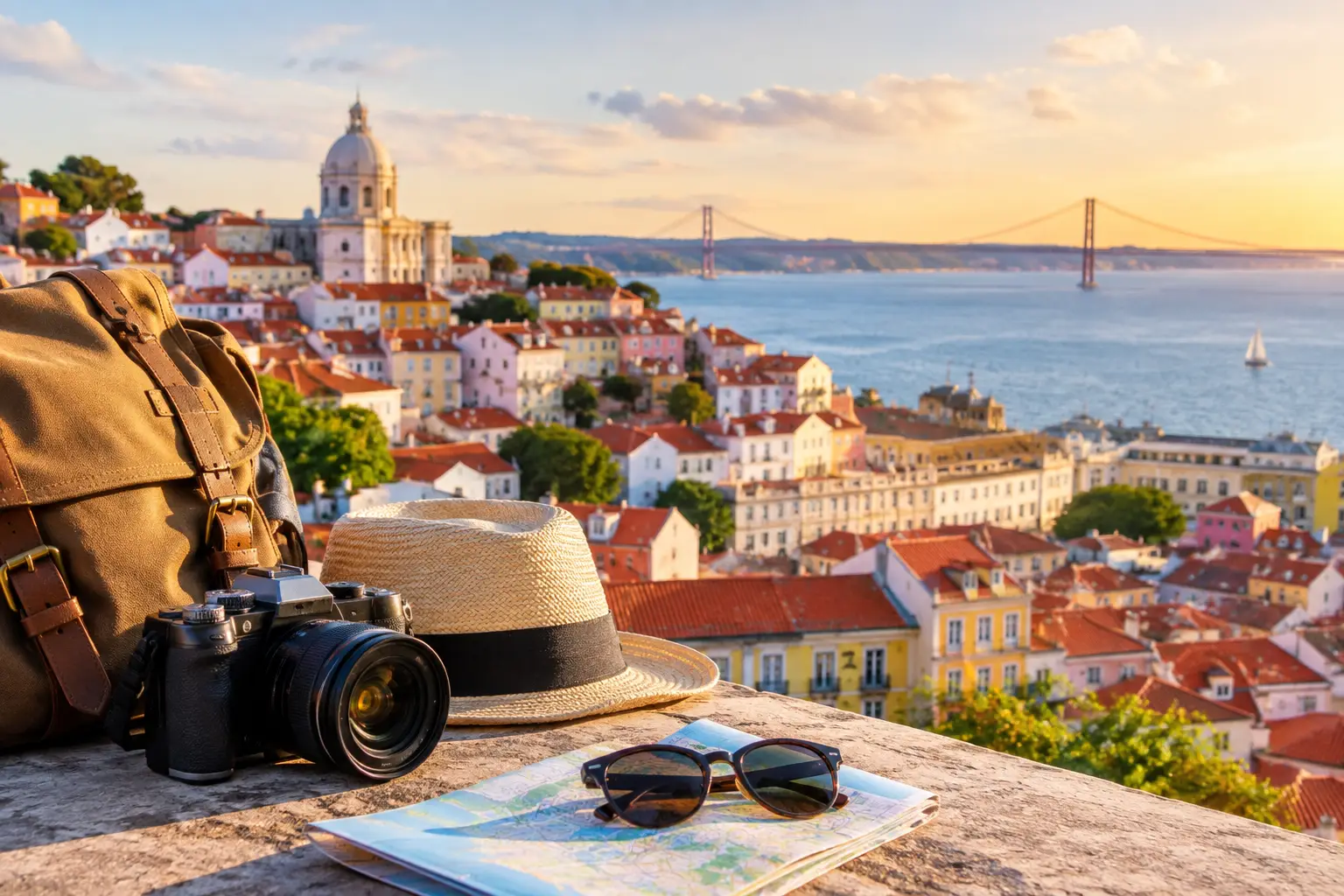
Lisbon can be a warm, good-value city break in February or a busy, sun-soaked capital in August – and the right choice depends on what you want from your trip. For most UK travellers, the best time to visit Lisbon for weather, crowds and prices is late March to May or mid-September to October. These shoulder-season months usually offer pleasant sightseeing weather, longer daylight hours and a better chance of finding sensible flight and hotel choices than at peak summer.
That said, Lisbon is not a destination with one perfect month for everyone. A couple planning a food-focused long weekend may prefer January’s quieter streets, while families tied to school holidays may find July works well if they book early and plan around the heat.
The quick answer: when should you go?
Choose April, May, late September or October if you want the best all-round balance. Expect comfortable conditions for walking between Baixa, Alfama, Chiado and Belém, without the full intensity of summer visitor numbers.
Choose June for Lisbon’s neighbourhood festivities, especially around Santo António on 13 June, but expect higher demand in central areas. Choose July and August for reliably hot, dry days and a livelier atmosphere, provided you are comfortable sightseeing early or late and paying more for well-located accommodation.
For a lower-cost city break, look at January, February or November. You may have rain, cooler evenings and shorter days, but Lisbon is generally milder than the UK in winter and its museums, restaurants, viewpoints and historic tram routes still make sense outside beach weather.
Lisbon weather by season
Lisbon has a Mediterranean climate, but its position beside the Atlantic matters. Even on warm days, breezes can make waterfront areas such as Belém, Cais do Sodré and the Tagus riverfront feel cooler than inland streets. Pack layers in spring and autumn rather than relying on a single heavy coat or summer-only wardrobe.
Spring: March to May
Spring is one of Lisbon’s strongest seasons for a first visit. Days become warmer through April and May, the city’s hills are easier to tackle before the summer heat arrives, and outdoor tables around Príncipe Real, Bairro Alto and the riverside begin to feel especially appealing.
March can still bring unsettled spells, so it is better for travellers happy to combine outdoor plans with the Calouste Gulbenkian Museum, MAAT or a long lunch if rain appears. April and May are more dependable for a packed itinerary including Belém Tower, Jerónimos Monastery and a day trip to Sintra.
Prices normally rise as the season progresses, particularly around Easter, bank holiday weekends and major events. If you have flexible dates, compare midweek arrivals with Thursday-to-Sunday stays before committing.
Summer: June to August
Summer brings long, dry, hot days and Lisbon at its most energetic. June is particularly distinctive because local festival events fill streets in Alfama, Graça and other traditional neighbourhoods. It can be great fun, but it is not the quiet, easy-going break some couples expect. Accommodation near the historic centre can be in high demand, and late-night noise is more likely.
July and August suit travellers who enjoy heat, outdoor dining and the option to add a beach day at Carcavelos, Cascais or Costa da Caparica. The trade-off is that central sights, popular miradouros and Tram 28 can feel crowded. Lisbon’s steep pavements also make midday sightseeing tiring, especially for young children, older travellers or anyone with limited mobility.
If summer is your only option, stay somewhere with easy access to the Metro, such as Avenida da Liberdade, Saldanha or Marquês de Pombal. It can reduce uphill walking and make it easier to return to your hotel for a break during the hottest part of the day.
Autumn: September to November
September often gives you a summer feel with a little more breathing room, especially after the busiest school-holiday period. It is a sensible month for combining Lisbon with coastal time in Cascais, though warm weather is never a guarantee.
October is often the sweet spot for travellers who want to explore on foot, eat well and avoid the highest summer prices. You should still expect sunshine, but rain becomes more likely as the month goes on. November is quieter and can offer good value, although it is better to treat outdoor plans as flexible rather than fixed.
Winter: December to February
Winter in Lisbon is not beach season, but it can be an appealing alternative to a grey UK weekend. Daylight is shorter, evenings can feel cool and wet weather is possible, yet daytime temperatures are often comfortable enough for walking if you bring a waterproof layer.
December has festive appeal, while January and February can be among the quieter periods outside school holidays and New Year. This is a practical time for museums, fado in Alfama, food markets and neighbourhood wandering. Check opening days for individual attractions, particularly around Christmas and New Year.
Crowds: when Lisbon feels busiest
Lisbon receives visitors throughout the year, but crowd levels are not just about the month. Weekends are busier than weekdays, cruise-ship days can make Baixa and Belém feel noticeably fuller, and school holiday dates affect both flights and central hotels.
The busiest overall period is generally from June through August, with June’s popular festival dates adding another layer of demand. Easter and the October half-term can also be busy for UK travellers. If you want a calmer experience, aim for a Sunday-to-Thursday stay in March, April, May, late September, October or November.
Where you stay shapes how much crowds affect you. Baixa and Rossio put you close to major sights and transport, but they are rarely tranquil. Alfama has character and fado venues, though its narrow hills and visitor traffic are not ideal for everyone. Príncipe Real and Avenida da Liberdade can offer a more relaxed base while remaining walkable to Chiado and Bairro Alto. For families or travellers who value space and straightforward Metro connections, Saldanha is often worth comparing.
Prices: when is Lisbon best value?
There is no fixed cheapest month because flight fares and hotel rates move with demand, events and how far ahead you book. As a broad rule, school holidays, long weekends, festival periods and peak summer dates tend to cost more. January, February and November can present better value, while March, May, September and October often sit in the middle: not always cheap, but often better value for the weather you receive.
Your biggest saving may come from changing the shape of the trip rather than chasing a specific month. Flying midweek, avoiding a Friday evening outbound flight, staying three Metro stops from the historic centre and booking a refundable rate early can all give you more choice.
If you are travelling in June, July, August or over Easter, secure your accommodation first. Well-reviewed hotels and flats in central, well-connected neighbourhoods are usually the options that become limited first. Then compare flights and decide whether a private transfer, taxi or public transport connection from Humberto Delgado Airport best suits your arrival time, luggage and group size.
What to book before you travel
For a short Lisbon break, pre-book only the elements that protect your time or give you a meaningful choice. In peak periods, that usually means accommodation, flights and any timed-entry attraction you consider essential. Jerónimos Monastery, Pena Palace in Sintra and popular fado experiences are examples where planning ahead can prevent a disappointing schedule.
You do not usually need a hire car for Lisbon itself. The Metro, trams, buses, taxis and ride-hailing services cover most city-break needs, while parking and steep streets can make driving more effort than benefit. A car becomes more useful only if you are building a wider Portugal itinerary beyond Lisbon, Sintra and Cascais.
Trav’s planning tip: decide whether your priority is sunshine, lower prices or fewer crowds, then choose two months rather than one. Comparing a few date combinations gives you a far more realistic view of current flight and hotel value.
Make your dates work for the trip you want
A May or October break is hard to beat for a first-time Lisbon itinerary, while June is the choice for festive atmosphere and winter is the value-led option for culture, food and milder weather than home. Once you have picked your travel window, compare neighbourhoods and flight times before booking the cheapest-looking deal. In Lisbon, an easier location and a sensible arrival time can be worth more than a small saving on the headline price.