
Car Hire in Barcelona: Do You Really Need a Car?
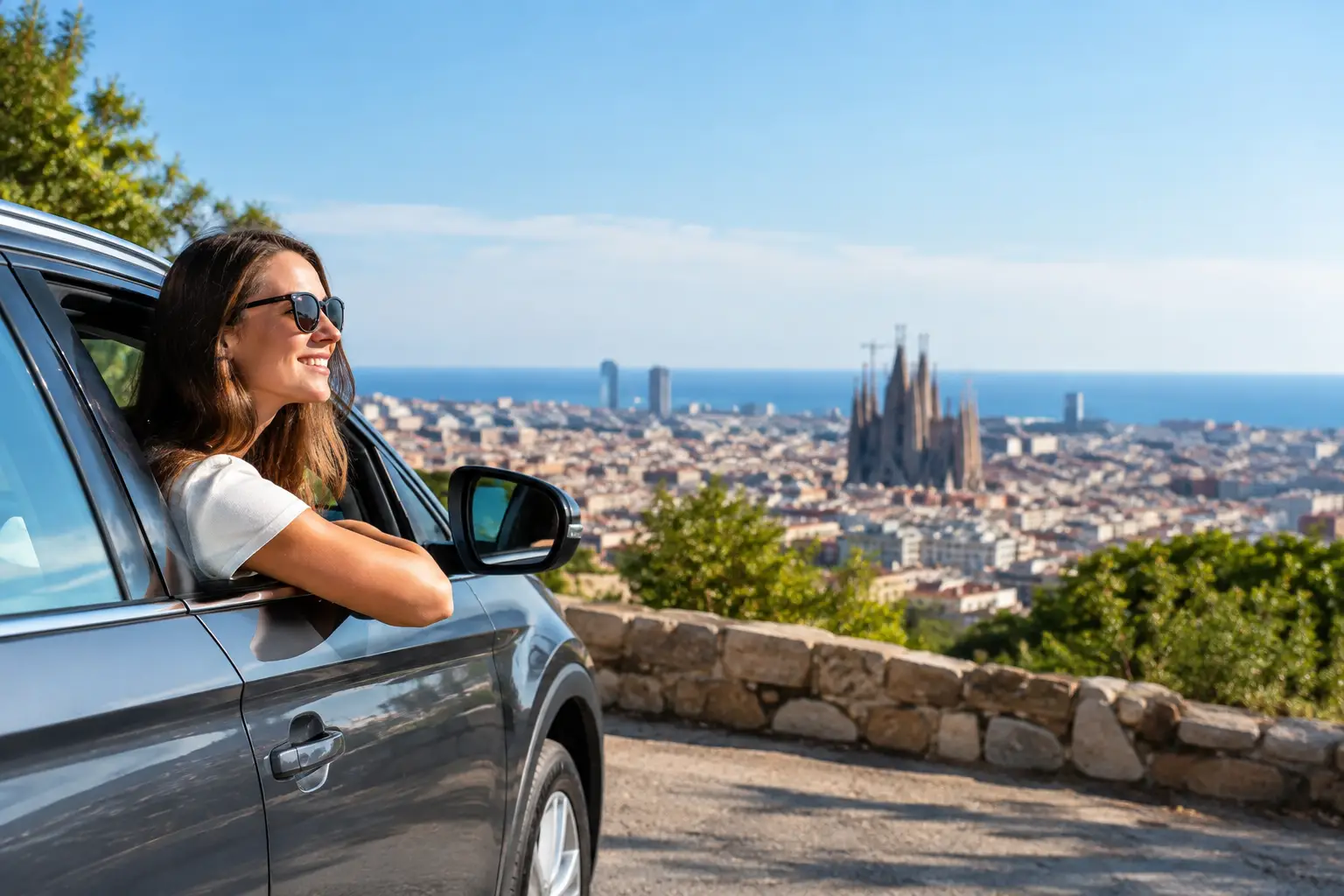
Barcelona is compact enough to explore on foot, by Metro and by taxi, but its surrounding coastline, vineyards and mountain scenery can make a hire car tempting. The short answer to “car hire in Barcelona: do you really need a car?” is no for most city breaks, but yes for certain multi-stop holidays.
The deciding factor is not how long you are staying. It is where you plan to sleep, what you want to see beyond the city, and whether you are happy to trade public transport convenience for driving, parking and navigation.
Car hire in Barcelona: when you can skip it
If you are staying in central neighbourhoods such as Eixample, Gothic Quarter, El Born, Gràcia, Barceloneta or Poble-sec, a car is more likely to be a burden than a benefit. Major sights including the Sagrada Família, Park Güell, Casa Batlló, La Rambla and the waterfront are well connected by the Metro, buses and walking routes.
Barcelona’s central streets can be narrow, busy and confusing for first-time drivers. One-way systems, delivery traffic, cycle lanes and limited parking all add friction to a day that could otherwise be straightforward. Hotels in the centre may not have on-site parking, and public car parks can add a significant daily cost to your trip.
For a typical two-to-four-night city break, plan to arrive without a car and use a combination of public transport and occasional taxis. This is usually the more relaxed and better-value choice for couples, solo travellers and families focused on the city itself.
Getting from Barcelona-El Prat without a car
Barcelona-El Prat Airport is roughly southwest of the city. Both terminals have transport options, although the most suitable one depends on where you are staying.
The Aerobús provides a direct airport-to-city-centre option, while the Metro’s L9 Sud serves both terminals and connects with other lines. Rail services from Terminal 2 can also be useful for areas around Barcelona Sants and Passeig de Gràcia. If you land at Terminal 1 and intend to use the train, allow for the terminal transfer.
A pre-booked private transfer or taxi can make more sense if you are arriving late, travelling with young children, carrying bulky luggage or staying somewhere less convenient for public transport. It removes the need to find your accommodation while learning a new transport system.
When hiring a car is worth it
A hire car becomes useful when Barcelona is one stop on a wider Catalonia holiday. Picking it up when you leave the city, rather than on arrival, gives you the best of both approaches: easy urban sightseeing first, then independence once you are heading out of town.
It is particularly worth considering if you are staying outside Barcelona in a villa, rural hotel or coastal property with limited bus or rail connections. Families travelling with car seats, beach equipment and several bags may also value the extra space, especially for a week-long stay.
A car can be a sensible fit if your itinerary includes several places that are awkward to combine by public transport, such as a countryside stay near the Penedès wine region, small Costa Brava coves, inland villages, or accommodation in the Garraf hills.
Trips where public transport is often easier
Not every day trip justifies collecting a car. Sitges is straightforward by train from central Barcelona, so driving can add little beyond the task of parking near the beach. Girona is also well served by rail, with fast services making it an attractive car-free day out.
Montserrat can be reached using train-and-mountain-railway combinations from Barcelona. This is often the calmer option if your main aim is the monastery and viewpoints, rather than exploring rural roads after your visit.
For these single-destination days, compare the full cost and effort, not simply the hire rate. Include fuel, tolls where applicable, parking, the time needed to collect and return the vehicle, and the fact that one person must remain the driver.
Trips where a car gives you more freedom
The Costa Brava is where a car can start to earn its keep. Resorts and larger towns such as Tossa de Mar, Begur and Cadaqués have public transport links, but services may be less practical if you want to visit several beaches, coastal paths or villages in one day. A car also makes it easier to stay outside a town centre, where accommodation may offer parking and more space.
The Penedès region, west of Barcelona, is another good example. It is known for vineyards and cava producers, but visits require planning if anyone intends to taste wine. A car is useful for reaching dispersed estates, yet it is not a reason to drive after drinking. Arrange a designated driver, guided visit or local transport where available.
If you are continuing to Tarragona, the Ebro Delta or the Pyrenees, a car gives much greater flexibility. These are better treated as overnight or multi-day additions to a Barcelona trip rather than rushed city-break excursions.
The practical costs people forget
The headline car-hire price is only one part of the decision. In Barcelona, parking is often the deal-breaker. Check whether your hotel offers parking, whether it needs reserving, and exactly what it costs. Do not assume street parking will be available near central accommodation.
You should also check the hire agreement for fuel policy, mileage limits, deposit requirements, excess, additional-driver charges and the rules on taking the car outside Spain. If you are relying on a credit card for the security deposit, confirm that the named driver has an eligible card before travelling.
Barcelona also operates environmental traffic restrictions, including a low-emission zone. Rules, exemptions and enforcement arrangements can change, and requirements may differ for foreign-registered vehicles. A rental company should provide a compliant vehicle for local use, but it is still wise to confirm the current position before driving into the city or choosing accommodation inside restricted areas.
Pick-up and return strategy
For most visitors, the simplest plan is to avoid a city-centre pick-up. Collecting at Barcelona-El Prat Airport can offer more choice, but only if you are leaving Barcelona shortly afterwards. If you have spent several days in the city, look at a collection point near Barcelona Sants or another location that works with your onward route, then return the car at the airport before your flight if the booking terms suit you.
Build in extra time for return. Finding the correct rental area, refuelling where required and completing a vehicle check can be stressful if left until the last minute. Photograph the car at collection and return, including wheels, fuel level and any existing marks.
A quick decision based on your itinerary
Skip car hire if you are flying into El Prat, staying in central Barcelona and want a classic city break with one or two rail-friendly day trips. Public transport, walking and taxis will usually cover what you need with less hassle.
Consider hiring a car for the second half of your holiday if you are combining Barcelona with the Costa Brava, Penedès, Tarragona or rural Catalonia. This prevents you paying to park a vehicle while it sits unused in the city.
Book a car from the start only if you are landing late and travelling directly to accommodation outside Barcelona, or if your property is genuinely difficult to reach without one. In that case, choose accommodation with confirmed parking and make sure the vehicle size suits local roads as well as your luggage.
Trav’s practical rule is simple: do not hire a car because it feels like the default holiday choice. Start with your accommodation and daily plans, then compare transfers, trains and car hire as part of the same trip. The right option is the one that gives you more time enjoying Catalonia and less time looking for a parking space.