
Do You Need a Car in Crete? Practical Guide
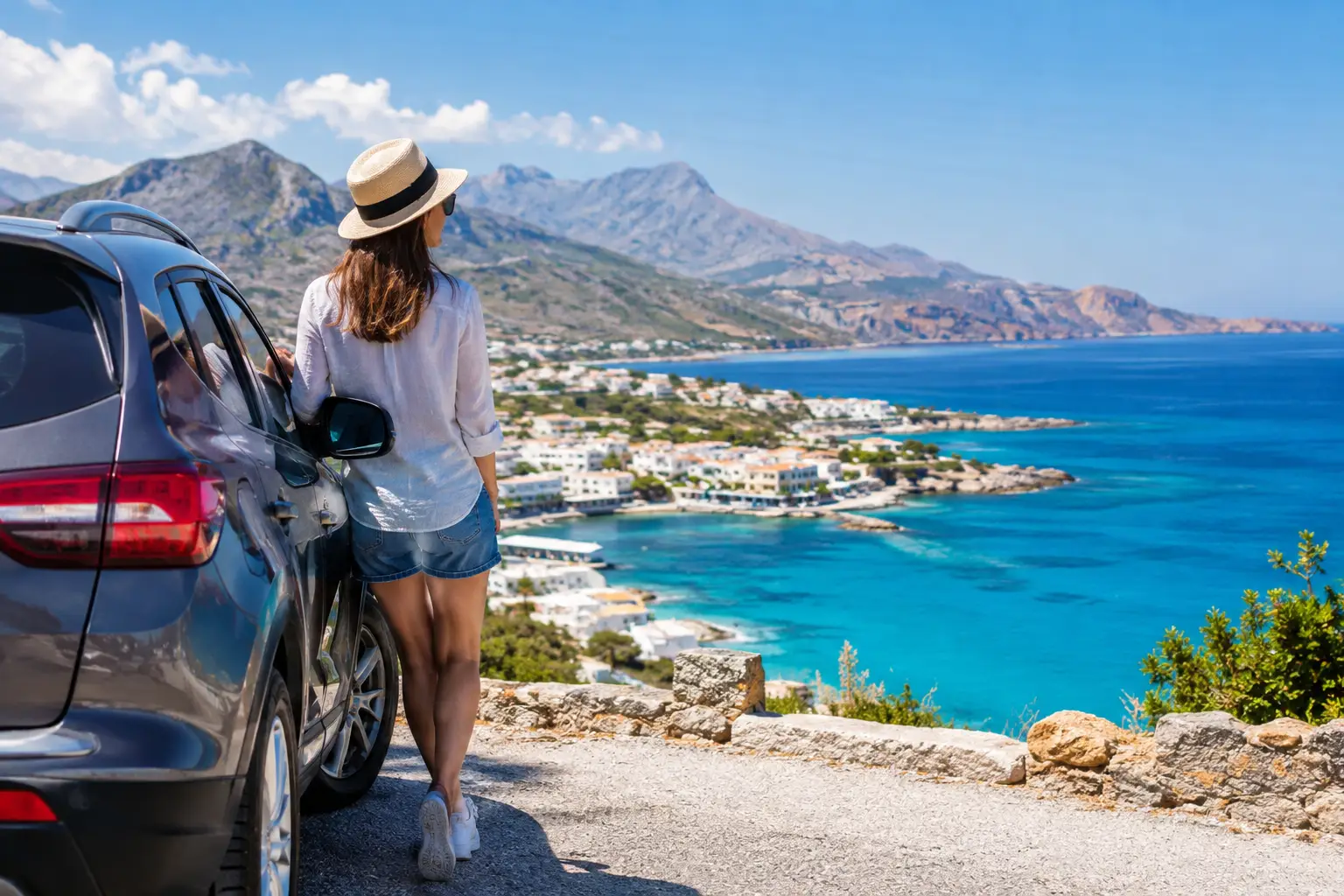
If you are asking whether you need a car in Crete, the short answer is: not for every holiday, but it can change what is realistically within reach. A car is particularly useful if you want to combine beaches, mountain villages, archaeological sites and several parts of this large island. If you are staying in a self-contained resort and mainly want pool, beach and local tavernas, you may be better off without one.
Crete is long rather than compact. Heraklion, Rethymno, Chania and Agios Nikolaos sit along the north coast, while many of the island’s most rewarding beaches and rural areas require journeys away from the main road. The right choice depends less on the island itself than on where you stay, how long you have and whether driving abroad feels like part of the holiday or a chore.
When a car makes sense in Crete
Hire a car if you are planning a week or more and want freedom beyond your immediate resort. It is especially worthwhile for couples and families staying in villas, quieter coastal villages or rural accommodation where buses are infrequent and taxis soon add up.
A car gives you the flexibility to visit places such as Knossos from Heraklion, the Lasithi Plateau from the east, Arkadi Monastery from Rethymno, or inland villages in the Apokoronas area east of Chania. It also makes south-coast day trips more practical. Matala, Loutro access points, Preveli and the beaches around Paleochora are not impossible without a vehicle, but they demand more planning and may involve changing buses or taking a boat.
Families often find a car useful for a different reason: it removes the need to work around bus departure times with tired children, beach equipment and pushchairs. If you are travelling with older children or teenagers, it can also make a two-centre holiday easier, perhaps dividing your stay between Chania and the east.
When you do not need a car in Crete
You can have an excellent car-free holiday if you choose the right base. Many north-coast resorts have supermarkets, beaches, restaurants and organised excursions close at hand. Local and intercity KTEL buses connect the principal towns and several resort areas, while taxis work well for one-off evenings or airport transfers.
For a short break based in Chania Old Town, Rethymno Old Town or Heraklion city, a car can be more trouble than it is worth. Narrow streets, limited parking and one-way systems are easier to avoid on foot. These places reward wandering, and bus or coach excursions can cover the occasional longer day out.
All-inclusive guests in resort areas such as Hersonissos, Gouves, Stalis, Agia Marina or Platanias may only want a car for one or two days rather than the whole stay. Booking short-term hire locally, or choosing an organised excursion, can be better value than paying for a car that sits outside the hotel.
Do you need a car in Crete by resort?
| Where you are staying | Is a car useful? | Why | |—|—|—| | Chania Old Town | Usually no | Walkable centre, taxis and bus connections; parking can be awkward. | | Agia Marina and Platanias | Optional | Good for a beach holiday without driving; useful for western Crete and inland villages. | | Rethymno town | Optional | Plenty nearby on foot, with buses for major routes; a car helps for south-coast exploration. | | Heraklion | Usually no for a city break | Airport transfers, city sights and Knossos can be managed without full-week hire. | | Hersonissos, Stalis and Malia | Optional | Resort facilities are close by, but a car adds variety beyond the busy north coast. | | Elounda and Agios Nikolaos | Often useful | Helpful for beaches, villages and exploring eastern Crete at your own pace. | | Palaiochora, rural villas or mountain villages | Usually yes | Public transport is more limited and day trips become much easier by car. |
This is a guide rather than a rule. Check your exact accommodation on a map before deciding. A hotel described as being in a resort may be a steep walk from the centre or a considerable distance from the nearest bus stop.
The driving reality: easier on the north coast
Crete drives on the right. The main north-coast road is the island’s key route and links the larger towns, although conditions, traffic and roadworks vary. Away from it, roads can become narrow, winding and slow, particularly in the mountains and on routes to the south coast.
That does not mean you need to be an expert driver. It does mean you should be realistic about the itinerary. A route that looks short on a map may include hairpin bends, village traffic and limited opportunities to overtake. Plan one main destination for a day rather than trying to tick off beaches, ruins and a mountain town in a single loop.
Choose a small car if you expect to park in Chania, Rethymno or traditional villages. It is easier to manoeuvre and often sufficient for couples or a small family travelling light. A larger vehicle may be worthwhile for luggage space, but it can make tight lanes and parking more stressful.
Do not assume that every track shown on a mapping app is suitable for a standard hire car. Some unpaved routes can be rough, and rental agreements may restrict where you can drive. If your plans include remote beaches or highland roads, read the rental conditions carefully before booking.
Parking and hotel access
Ask your accommodation whether it has on-site parking and whether the final approach is straightforward. This matters in old-town properties, hillside villas and smaller villages. Public parking areas may be nearby rather than directly outside, which is manageable but worth knowing when you arrive with cases.
At popular beaches and attractions, arriving earlier in the day can make parking simpler during the busiest summer period. Never leave valuables visible in the car, even for a short stop.
Car hire, transfers or excursions: compare the total cost
The lowest daily car price is not always the lowest-cost choice. Consider airport transfer costs, fuel, parking, the required insurance excess, additional-driver fees and any child-seat charge. Check what the quoted rate includes, whether there is a deposit requirement and the provider’s fuel policy.
If you arrive at Heraklion Airport and are staying in the city or nearby resort, collecting a car immediately may be convenient. If you are staying in Chania Old Town, however, arranging a transfer first and collecting a car only for the days you want to explore can be more sensible.
Organised day trips deserve consideration when you want to visit one landmark without navigating. They are useful for solo travellers, non-drivers and anyone who would rather not tackle mountain roads. The trade-off is a fixed timetable and less time in places you discover along the way.
A taxi works best for direct airport runs, dinner in another resort or a single journey where you do not need a vehicle waiting for you. For several separate trips, compare the likely taxi total with a one- or two-day rental rather than assuming either option is cheaper.
A practical way to decide before booking
Start with your accommodation, not the car. Mark your airport, hotel, nearest town and the three places you genuinely most want to visit. Then ask whether those plans sit on a straightforward bus corridor, can be covered by one excursion, or require several independent journeys.
You are likely to benefit from car hire if at least two of your priorities are in different parts of the island, or if your accommodation is outside a walkable resort. You can probably skip it if your holiday is centred on one town, one beach area and one or two bookable day trips.
Trav’s planning tip: build the outline of your stay before comparing cars. Once you know which days require independent transport, you can compare full-stay hire against a transfer plus selected rental days with much more confidence.
What to check before you drive
Bring the licence and documents required by your hire provider, and confirm its rules for additional drivers, age limits and payment cards before travel. UK driving licence requirements and rental terms can change, so verify the current position with the provider rather than relying on an old forum post.
Take clear photos of the car at collection, including wheels, windscreen and fuel level, and ask how roadside assistance works. Familiarise yourself with local speed signs, avoid using a phone while driving, and allow extra time after dark on unfamiliar rural roads.
The best Crete holiday is not necessarily the one with the fullest itinerary. If a car will let you stay in the village, beach or villa you actually want – and explore without rushing – it is a useful booking. If it will spend most days parked while you enjoy a walkable base, keep your plans simpler and put the budget towards the experiences you will remember.
For another useful part of planning Crete, see our Crete Transfers: Choose the Right Airport Ride.