
Spain City Breaks for Every Kind of Weekend
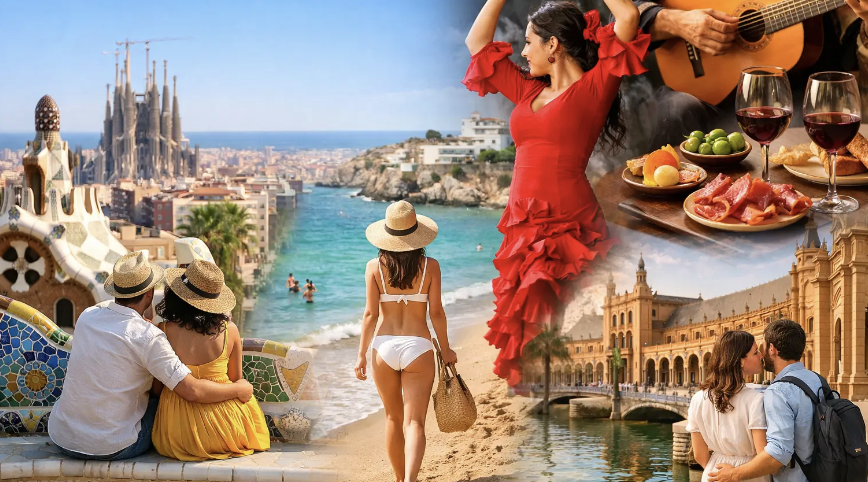
A good weekend in Spain is won or lost before you leave the airport. The best Spain city breaks pair a compact centre with a direct arrival route, a hotel in the right neighbourhood and just enough pre-booked plans to avoid wasting Saturday in a queue.
For a two- or three-night escape, do not try to see the whole country. Choose one city, stay central and build your plan around one landmark, one food district and one evening worth staying out for. This guide compares the five strongest options for different types of traveller, with the practical details that make booking straightforward.
Choose your Spain city break by travel style
Barcelona is the high-energy choice for first-time visitors, architecture fans and groups who want beach access without leaving the city. Madrid works best for museums, late dinners and high-speed rail connections. Seville delivers the strongest old-city atmosphere, though summer heat changes the equation. Valencia is the calmer coastal alternative, with a more manageable pace and generally better value. Bilbao suits food-led weekends and travellers who prefer a compact, walkable base in northern Spain.
If you are arriving late on Friday, prioritise a hotel within a short taxi or public-transport ride of the centre. Saving £20 on a room near the airport can cost you the first evening of your break.
Barcelona: architecture, beach and late tables
Barcelona is efficient for a long weekend because the key sights sit across a clear central corridor: Eixample, Gothic Quarter, El Born, Gràcia and the waterfront. It is also one of the easiest Spanish cities to over-plan. Pick two major sights, not six.
From Barcelona El Prat Airport, the Aerobús reaches Plaça de Catalunya, while the R2 Nord rail service runs from Terminal 2 towards Passeig de Gràcia and Barcelona Sants. The airport Metro line is useful for selected areas but is not always the fastest route into the historic core. Check your terminal and live service information before travelling.
Where to stay in Barcelona
Budget: Stay around Sant Antoni or the western edge of Eixample. You will be close to the Metro, walkable food streets and usually away from the highest Gothic Quarter prices.
Boutique: Choose El Born for independent shops, tapas bars and an easy walk to Parc de la Ciutadella. Rooms facing narrow lanes can be noisy, so request a quiet room or courtyard-facing option.
Premium: Book in Eixample, especially near Passeig de Gràcia or Rambla de Catalunya. This is the most reliable base for polished hotels, taxi access and a straightforward route to Sagrada Família, Casa Batlló and the old town.
Pre-book Sagrada Família and Park Güell as soon as flights are confirmed. Timed entry slots are finite, and trying to fit both into the same rushed afternoon makes little sense. Give Sagrada Família the morning, then use the evening for El Born or Poble-sec.
Madrid: the strongest all-round weekend
Madrid is the safest choice when your group wants different things. Art galleries, shopping, football, rooftops, markets and serious dining all sit within a manageable central zone. It also makes an excellent first or final stop on a wider Spanish rail itinerary.
From Adolfo Suárez Madrid-Barajas Airport, Metro Line 8 connects with Nuevos Ministerios, while the Cercanías rail service from Terminal 4 can be useful for Atocha and Chamartín routes. Terminal changes, luggage and peak commuter periods can add time, so avoid building a tight dinner reservation around your landing time.
The Madrid neighbourhood decision
Stay in Sol or Huertas if this is your first visit and you want to walk to the Prado, Plaza Mayor and Gran Vía. Choose Malasaña for bars and independent cafés, but expect livelier streets on Friday and Saturday nights. Salamanca is the premium option for quieter streets, designer shopping and smart restaurants, although it is less convenient for the old centre on foot.
For a two-night plan, book one major museum slot. The Prado Museum is the obvious choice for classic Spanish painting; the Reina Sofía is the stronger fit for modern art and Picasso’s Guernica. Do not book both unless galleries are the main reason for the trip.
Madrid’s dinner culture runs later than many British visitors expect. Reserve your key Saturday table in advance, then keep Friday flexible for tapas around La Latina, Huertas or Chamberí. This gives you a proper first night without committing to an unrealistic schedule after a flight.
Seville: book early, walk slowly
Seville is built for a romantic, food-first city break, centred on the lanes of Santa Cruz, the riverside around Triana and the broad avenues near the cathedral. It is compact enough to explore largely on foot, which makes the right hotel location more valuable than a complicated transport plan.
The EA airport bus links Seville Airport with central stops including Santa Justa station and the city centre. Confirm its current stops and operating hours before departure, particularly if you arrive late. A taxi can be the cleaner option for two or more people with cabin bags and a hotel inside the narrow streets of Santa Cruz.
Stay in Santa Cruz for the cathedral, Alcázar and early starts. Stay in Triana for ceramic workshops, market stalls and an easier local-evening feel across the Guadalquivir. Arenal is a strong middle ground, close to the river and within walking distance of the historic core.
The booking bottleneck is clear: reserve the Real Alcázar before you travel. Pair it with the cathedral on a separate block of the day, not immediately afterwards. The combination of heat, crowds and stone courtyards is more tiring than it looks on a map.
Seville has a major seasonal trade-off. From late spring through early autumn, afternoon heat can make midday sightseeing uncomfortable. In warmer months, schedule indoor monuments early, return to the hotel after lunch, then head out again around sunset. A winter or early-spring weekend gives you more usable walking hours.
Valencia: the lower-stress coastal choice
Valencia is ideal when Barcelona feels too busy and you want city culture, beach time and excellent food without constant pressure to move on. Its centre is broad rather than tightly packed, so choose your base carefully.
From Valencia Airport, Metro Lines 3 and 5 run towards central stations including Xàtiva and Colón. Check whether your hotel is nearer the old town, Ruzafa or the City of Arts and Sciences before deciding between Metro and taxi.
For a short break, stay in Ciutat Vella if you want historic streets and landmark access, or Ruzafa for restaurants, bakeries and a more contemporary neighbourhood base. The area around the City of Arts and Sciences suits travellers focused on the aquarium and modern complex, but it is not the best choice for evening wandering in the old centre.
Book the Oceanogràfic ahead for weekends and school-holiday periods. For a slower second day, walk or cycle through the old Turia riverbed park towards the City of Arts and Sciences, then take a taxi or bus to Cabanyal or Malvarrosa beach. Order paella at lunchtime, when it is traditionally served, and confirm the restaurant’s preparation time when reserving.
Bilbao: the food-led northern alternative
Bilbao makes sense for travellers who want a compact base, cooler temperatures and a weekend structured around pintxos rather than landmark hopping. The Guggenheim Museum Bilbao, Casco Viejo and the riverside are close enough to combine without a packed timetable.
The airport bus, commonly known as Bizkaibus A3247, runs between Bilbao Airport and central stops around Alameda Rekalde and Moyúa. Check the latest route and timetable before relying on it, especially for early departures. Moyúa is an excellent central reference point for hotels, taxis and Metro connections.
Stay in Ensanche for the easiest access to the Guggenheim, Abando station and polished hotels. Choose Casco Viejo for historic lanes and pintxos bars, accepting that some streets can be louder at night. Indautxu offers a useful value-to-location balance and is well placed for both centre and airport bus access.
Reserve the Guggenheim if a particular exhibition matters to you. Otherwise, leave room for an unhurried pintxos crawl around Plaza Nueva and the old town. Bilbao rewards appetite and pacing more than a minute-by-minute itinerary.
Your booking order for Spain city breaks
Book in the order that protects the least flexible part of the trip. Start with flights or rail, then secure a central hotel with a cancellation policy that suits your plans. Next, reserve the one attraction that would disappoint you to miss. Only then lock in airport transfers, restaurant tables and optional tours.
For Spain city breaks involving more than one stop, check rail routes through Madrid Puerta de Atocha, Madrid Chamartín, Barcelona Sants or Seville Santa Justa before committing to hotels. High-speed services can make a two-city trip work, but an early departure and a station transfer can erase half a day. For most Friday-to-Sunday escapes, one well-chosen city is the better booking.
Search, compare and book the central pieces first. Once the hotel, arrival route and headline reservation are in place, the rest of the weekend has room to feel spontaneous.